








Introduction
Buying a door: it’s not something you do every day. It sounds simple enough but, when you think about it, there’s a lot riding on your choice. Your exterior doors can have a big influence on the security, energy efficiency, look, and even the value of your house.
In short, the right door can make your home into a safer, more comfortable place to be.
Like any significant purchase, buying an exterior door can be a minefield: with jargon, technical terminology and a whole array of options to get to grips with. That’s why we’ve created this exterior door buying guide.
If you choose well, your door could be with you for years to come, so we think it’s important to demystify the entire process and make it easier to arrive at the best option for you.
Materials, types, colours, glazing options, security, cost, fixtures and fittings; all of it can have an impact.
This guide will give you everything you need to get it right, from starting your research, all the way through to admiring your smart new entrance.
What are the different
external door materials?
One of the first things you’ll need to decide on is what your door is made of. Lots of materials meet the basic requirements for a solid, nice-looking entrance but, they all come with their own benefits and drawbacks, and some will be better suited to your needs than others.
Read on for an introduction to the main materials, and get an understanding of what to expect from each one
Composite doors
As the name suggests, composite doors are made from a combination of materials. Generally, this will include some or all of the following: wood, uPVC, insulating foam, and GRP (Glass Reinforced Plastic). The key features of composite doors are their superior strength, durability and security.
Their unique make-up allows them to benefit from the positive characteristics of multiple different materials, which makes them sturdier and more weather-resistant than single-material doors. Composite doors’ construction includes an insulating foam core, which also gives them excellent thermal efficiency.
Multi-point locks, which have bolts at multiple points along the door edge, are standard for composite doors, which adds considerably to their levels of security.
Composite doors can accommodate a massive range of finishes and they’re much less vulnerable to damage and warping than wood. They can go on for decades looking just as good as the day they were installed.
Overall, composite doors represent the best option for security, energy-efficiency, curb appeal and value for money.
uPVC doors
uPVC (Unplasticised Polyvinyl Chloride) doors are a popular choice due to their affordability, durability, and relative lack of maintenance. In basic terms, uPVC, a robust kind of plastic, is resistant to rotting, rusting, and fading, which is ideal for UK weather.
They are lighter than wooden, metal or composite doors, which means slightly less wear-and-tear on the hinges.
Compared to a composite, uPVC doors have a slightly shorter lifespan and, although they are almost always fitted with multi-point locking, the lack of reinforcement makes them slightly less secure than a composite.
Aluminium doors
Like uPVC and composites, aluminium doors are highly durable and can last for decades without warping, cracking or rusting. They’re easy to clean and don’t need much upkeep. Because of their inherent strength, aluminium doors can accommodate thinner frames and larger areas of glass. This creates naturally lit interiors and adds to the visual appeal of the exterior.
Aluminium doors are typically more expensive than uPVC, and can rival the cost of composite doors. However, aluminium is a poor insulator meaning aluminium doors can’t match the insulation levels of composite doors in spite of recent technical advances improving their energy efficiency.
They come in a wide range of finishes, colours and styles, which can be ideal for more modern or minimalist designs. Ultimately, it comes down to personal taste and the effect you want to achieve. The sleek, industrial look of aluminium doesn’t deliver the warmth and texture of wood or composite materials, and while they perform better than they used to, aluminium doors are less insulating than composites and most wood doors.
Solid wood doors
Wooden doors are known for their traditional associations, natural warmth, and the ageless charm they can add to any home. Solid wood doors are commonly made of oak, pine, mahogany or engineered wood, which can be treated for durability and longevity.
It offers reasonable thermal and acoustic insulation. The natural grain and texture provide an authentic appearance that can be easily painted or stained and it’s fairly easy to personalise to your design. When sourced responsibly, wood can be an eco-friendly choice, it’s also biodegradable and can be recycled (although that will depend on the paint or finish you choose).
Wooden doors however do need regular upkeep to stop them from warping and cracking. They can be more expensive than uPVC and composite doors, and they don’t insulate as efficiently as a modern composite or aluminium door. Whether a solid wood door is right for you depends heavily on your priorities: budget, design preference, durability, energy-efficiency and maintenance should all be considered before you make a decision.
How much does a
new door cost?
There are many different types of door out there. However, as we have discovered they’re not all made equal. There are numerous reasons for differences in the price you could expect to pay for a door; from the material to the design, and from security to the accessories.
Cost may be the defining factor, or looks. Or maybe longevity and low maintenance are most important to you.
It can be a false economy to go for a cheap option. What’s saving a few hundred pounds compared to the contents of your house? The good news is, it’s possible to find a compromise between style, strength and price.
Composite door
prices
Generally, the price of composite doors are more than uPVC doors but compare favourably with solid wood and high-end aluminium doors. Their exceptional insulating properties, longevity and low maintenance requirements mean a fully fitted composite door represents excellent value and overall savings in the long term.
For composite doors, you can expect to pay anywhere between £1,000 – £3,000 for a new front door. On average, including installation, this is usually around £1,500 – £2,500.
uPVC doors
prices
The most budget-friendly option, uPVC doors are often available at a lower upfront cost. Minimal maintenance keeps the cost of future upkeep relatively low. They have decent insulation but won’t perform as well as a composite or solid wood door in colder climates. They can also warp, fade or become brittle over time, meaning you should take into account the cost of replacing them earlier than doors made from other materials.
For uPVC doors, you can expect to pay anywhere between £340 – £725 for a new front door. On average, including installation, this can be between £860 – £1,750.
Aluminium doors
prices
Aluminium doors are among the most expensive options due to the high material cost. They are durable and resistant to weather and corrosion, which reduces long-term maintenance and repair costs. They may require additional features or engineering to provide the same level of insulation and energy efficiency as other doors, which means added costs.
For Aluminium doors, you can expect to pay anywhere between £450 – £8,000 for a new front door. Installation can cost up to £2,000, depending on the work required.
Solid wood door
prices
One of the most expensive options, particularly for the high-quality hardwood you would need to match the security of composite or aluminium doors. They require regular maintenance to stop them from warping, cracking, or fading, which can add significantly to costs in the long run.
For solid wood doors, you can expect to pay anywhere between £580 – £2,000 for a new front door. Including installation, this can work out to be between £1,080 – £4,000.
Door styles
Traditional
Traditional composite doors often feature classic panel designs, muted colours and heritage-inspired glazing. They’re ideal for period homes or creating that ‘timeless’ feel.
Traditional style composite doors balance the enduring charisma of classic design with the performance of modern engineering.
Expect to pay a little extra for authentic period details though.
Contemporary
Contemporary composite doors are the go-to for more modern styles and avant-garde architecture.
Clean lines, bold colours and minimalist hardware go well with this style.
Premium finishes or unique designs may add to the cost but are worth it if you’re looking to make a striking first impression.
Download your brochure
What door will you choose to welcome you home?
Download our brochure to see our range of door designs, colours and glazing options.
Get inspiration to create your own door and become house proud.
What are the different
types of door?
Once you’ve settled on a material for your door, the next step is to find the right type. The type of door you choose will depend on many things: the climate, the setting, age and architecture of your home, the area you live in and even the way you plan on using it. A well-chosen, high-quality modern entrance door can increase the value of your home.
In the right context, all external door types have something to offer. Whether it’s complementing period features, brightening up a gloomy hallway or just giving you the ability to hand a cup of tea into the garden without letting the dogs out, the type of door has to deliver for you.
Front doors
Choosing a front door takes careful consideration. It needs to be secure, well-insulated, easy to use and good-looking. Your front door is one of the first things people see, so if making an impression is your priority, then the finish will play a big part in your decision as well.
The front door is likely to be the most heavily used door in the house, so it’s important you choose a robust one with a smooth closing action (trust us on this one), that will stand up to heavy usage, and the occasional slam.
Other features you need to look out for are multi-point locking, security certifications, thermal and acoustic insulation (which means a good seal as well as an insulated door), a decent warranty and of course, a nice finish.
Back doors
For a back door, particularly a composite one, many of the same things apply as for a front door. But, given the different context and slightly different uses, there are a few added considerations.
As well as durability, longevity and insulation, security is a key characteristic of a good back door. Around a third of UK break-ins happen via the back door. It’s often a more secluded entry to the house, so multi-point locks, a strong construction, beading and toughened glass (if you choose to go with glazing) are all important features to look out for in a back door.
Stable doors
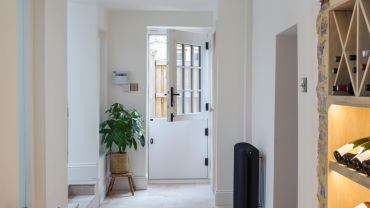
In the right setting, stable doors can add real character. They conjure up images of cosy kitchens, warm agas and balmy summer evenings. However, historically, their dual-opening design could make them susceptible to drafts, with additional opportunities for cold air to enter, and slightly less secure than a traditional door.
These days, better insulation, more robust composition and modern multi-point locking mean there’s no reason why stable doors are anything other than a nice way to complement the front or rear of your home, provided it has the look you’re after and the functionality you need.
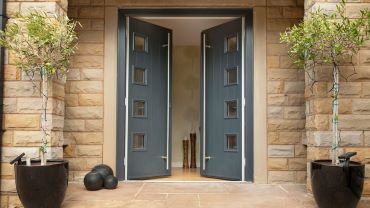
French/double doors
French double doors are a neat way to bring the glamour of southern France to any home. We’ll admit, that may not be a priority when choosing a door in the UK, but what if we told you that modern French doors come with all the same options and performance as any other style? From security and insulation to strength and durability, French doors have come a long way since they were invented, when they were essentially just big windows.
Because they open outwards from the middle, they can also reduce the space needed for the door to swing into. This is a massive practical advantage if you have a wider-than-average doorway.
A composite French door is a great way to improve accessibility, increase natural light and make better use of space. What’s more, they look great at the front or back of your house.
Cottage doors
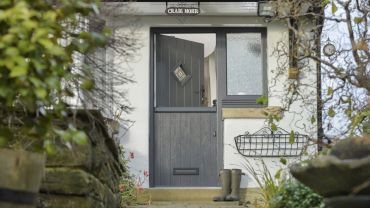
The main thing that sets cottage doors apart is their distinctive vertical panelling. It’s a style that dates back to the Middle Ages. Because of this heritage look and their rural associations, you will often find cottage doors on farmhouses and, perhaps unsurprisingly, cottages. However, composite cottage doors are worth considering if you’re looking for a classic aesthetic that uses modern materials. Their rustic appeal works well with different architectural styles.
Modern cottage doors can come with the added contemporary twist of single or triple diamond-shaped glazing, broadening their appeal and creating brighter entrance halls.
As with other styles, composite doors are the most effective construction for cottage doors: for their security, insulation, longevity and versatility.
Arched doors
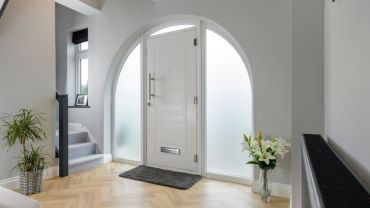
Arched doors are iconic. Because of their strong associations with Gothic architecture , they can give off an olde-worlde or ecclesiastical feel. However, an arched door can serve as a focal point for different kinds of façade, tying different features together and adding grandeur to both traditional and contemporary buildings. They’re becoming more common in modern, minimalist designs, where they can be used to soften architectural lines and create unexpected results.
If you are thinking of buying an arched door, or you’re looking to replace an existing one with a more energy-efficient, secure alternative, be sure to check for high-strength materials in both the door and the frame. Arched composite doors come with multi-point locks, warranties, excellent insulating properties and are available in many colours and finishes.
There’s no doubt arched doors stand out, so if you want to make a statement, this may be the door type for you.
Doors with side panels
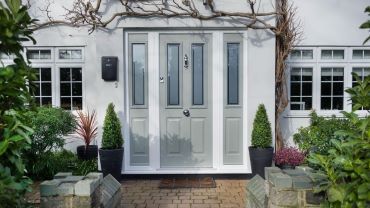
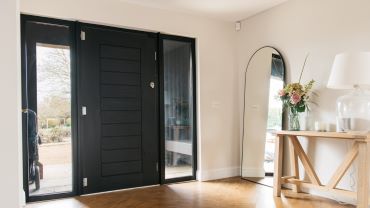
Side panels alongside entrance doors are a practical way to fill a wide, or unusually shaped entryway. They’re often associated with Georgian and Victorian architecture, but modern side panels come in such a range of styles that they can easily fit contemporary architecture too. They add natural light and can be a real asset to the overall appearance, unifying different features with their colour schemes, finishes and decorative trim.
A composite door with side panels has the same high-performing credentials as other kinds of modern composite door. They have good thermal insulation, longevity and low-maintenance requirements. In some cases, they can enhance security, especially compared to a wooden door frame. They also let you see who’s approaching the door, adding peace of mind and an additional layer of security.
Door colours
OK, so you’ve chosen your door material, picked the type and selected the style of exterior door that best suits your architecture, budget and security requirements. Next: colour.
Door colour is an extension of your personal style. Bold, vibrant colours stand out and make a statement, while neutral tones create a subtler, more calming mood.
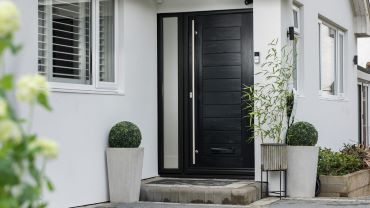
Choose a door colour that aligns with your architecture. Black composite doors are popular for traditional houses, as are other classic colours like navy or olive green. Depending on the style, modern homes often suit understatement, like anthracite, rosewood or grey composite doors, but they can also work with brighter hues like yellow and red.
Consider whether the colour blends with or stands out from the surrounding houses. The atmosphere of a neighbourhood is partly created by the palette of its houses and buildings, so think carefully about how your colour scheme fits into that.
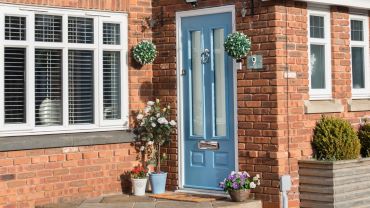
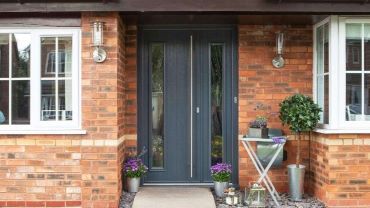
Whether it’s brick, stone, render or paintwork, a door colour can either contrast with or complement the colours and materials of your exterior. For example, light brickwork pairs well with dark doors, while red brick may look better with pastel, neutral or white composite doors.
Door colour can affect the overall curb appeal and potential resale value of your home. If selling the house is a consideration, neutral and classic colours like black, grey or white tend to appeal to a wider audience.
UV-resistance is particularly important to prevent your door from fading over time, especially if your façade gets a lot of sunlight. Choose a low-maintenance, weather-resistant finish to reduce repair, repainting and renovation costs. For example, composite door colours will stay bright for years with minimal upkeep.
Door glazing
Composite doors with glass panels can transform your entry. It’s a nice way to add visual interest and a personal touch, and of course a simple way to illuminate your hallway.
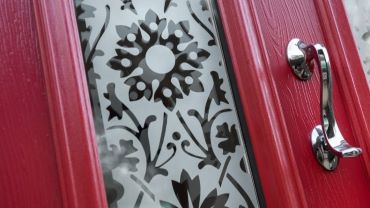
With options including bevelled, coloured and textured glass, composite door glass designs can create unique effects. The prism formed by bevelled glass casts rainbow reflections, and coloured panes throw subtle hues across walls and floors. If you’re feeling creative, you could even incorporate this into your interior design scheme.
A glazed panel can add a sense of security. With a frosted or obscured finish allowing natural light through, while providing a high level of obscurity. Laminated or toughened safety glass can also add protection against break-ins and accidental damage. Laminated glass meets the criteria for the police preferred specification ‘Secure by Design’. This means that it’s as secure as a solid door. Some insurers recognise homes that incorporate Secured by Design certified products, which can lead to lower premiums with certain providers.
So, a glazed composite door can add personality to the exterior as well as the interior, and modern security standards mean you don’t have to compromise on aesthetics or safety.
Door security
Door security is just as important as style, if not more so. Your front door security is especially important, as almost two thirds of UK burglaries happen via the front. Material and construction are two of the most significant aspects of door security. Wood, aluminium, uPVC and composite door security varies, so each one should be examined to understand which best suits your needs.
Composite doors are generally more secure than other domestic entrance doors. Solid timber core composite doors contain layers of wood, reinforced plastic, toughened glass and fiberglass. This gives them a highly durable structure. As a result, composite doors are robust and extremely reliable.
If they are thick and well-maintained, traditional solid hardwood doors can be very strong, providing good resistance against forced entry. Weather damage can cause them to swell, shrink or crack. This reduces their structural integrity and makes them easier to force or kick in, compared to aluminium or composite doors.
Due to their metal construction, aluminium doors can be highly resistant to forced entry. However, if they’re not properly installed or maintained, and are paired with a weak frame or lock, their security can be compromised.
uPVC doors are affordable and low-maintenance, and many come with multi-point locking systems. Better quality uPVC doors also come with reinforced metal frames. However, they are often less structurally sound than wood, aluminium or composite doors. They can also become brittle over time, which makes them susceptible to cracking or breaking under pressure.
Always make sure locks, hinges and glazed panels are tested and certified under standards such as BSI Kitemark or Secure by Design, which signify high resistance to burglary techniques.
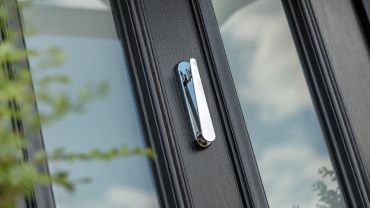
Traditional handles
When considering security options for an exterior entrance door, traditional locks can be a reliable and cost-effective solution. There are ways to enhance a traditional lock for better front door security. For example a deadbolt can add an extra layer of security, without adding drastically to the cost.
Multi-point locks
Although traditional locks are generally a solid option, they can be vulnerable to lock picking and physical attacks. This is where multi-point locking can have significant advantages. The multiple locking points along the frame make them far harder to force and the extra complexity of their internal mechanisms makes them harder to pick. On top of this, most modern multi-point locks come with additional features, such as ‘double sacrificial snap protection’, which prevents anyone from snapping the lock, a common technique in break-ins.
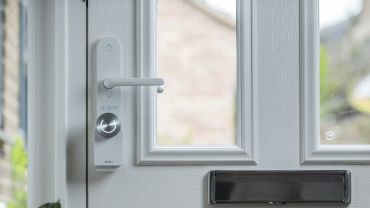
Smart locks
Smart locks combine smart technology with convenience and peace of mind. They work remotely, can be opened hands free with keyless technology and can even be set to lock automatically when you leave the house.
The best door locks are now compatible with smart door locking, so you don’t have to sacrifice security in favour of convenience.
Visualise your new door
Now you’ve considered every option, you will have a pretty good idea of your perfect door. The next step is to view all your chosen features in one place. It’s one thing to imagine them separately, but until you’ve seen them all together and in context, you can’t be totally sure you’ve got the entrance you’ve been dreaming of.
This is where visualiser tools and style inspiration can really help.
Of course, to make sure you get exactly what you need, there’s no substitute for experience. We always recommend finding a showroom, seeing and feeling the products and speaking to an expert before you commit and make your order.
Find, inspire, build
Find a local showroom
If you prefer to see a design or style in situ, why not find a local showroom?
Speak to a local expert who can guide you in all the choices available. From glazing, to styles, right through to the finer points of handles, locks and letterplates.
Create a design that is unique to your and your home.
Be inspired
With so many options it’s also good to refine your ideas by checking out some style inspiration.
Viewing a few inspiring homes to see the décor, colour schemes and styles that work in combination can be a very helpful exercise.
You should explore a few different settings for the door you’re thinking of, to make sure it will work for you.
Design your door
A good door designer tool will let you design a complete exterior door, applying everything from the material, type and style, to the colour, accessories and surroundings.
Generally, they will be intuitive and easy to use, meaning you can experiment easily with a few different variations. A really good door designer will then allow you to request a quote for your specific setup.
Brochure download
Ready to unlock your new door?
Self-expression isn’t a one size fits all. Its real, its personal, its yours.
Download your brochure and be inspired.
Find your nearest approved Solidor installer.
Enter your postcode to find your nearest Solidor approved composite door installer.